what happen to the victims of a ponzi scheme

Steve Heimoff had never heard of Bernie Madoff, simply he lost his $2 meg nest egg to Madoff'south Ponzi scheme. Courtesy of Steve Heimoff hide explanation
toggle explanation
Courtesy of Steve Heimoff
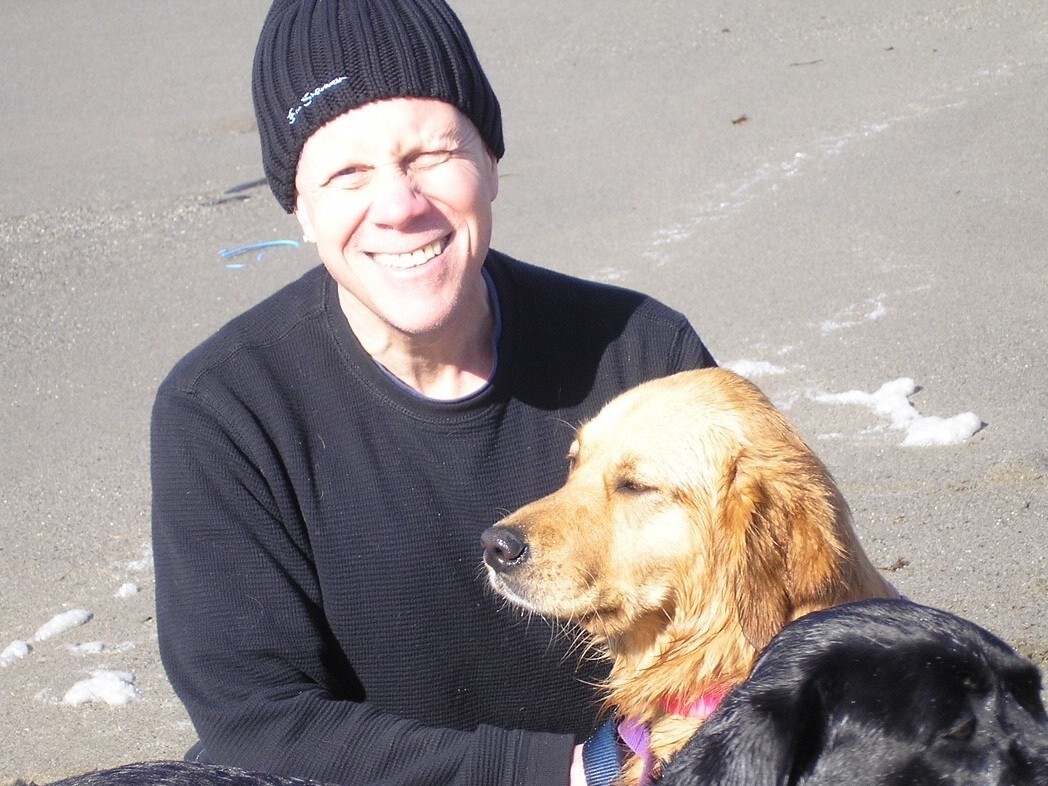
Steve Heimoff had never heard of Bernie Madoff, but he lost his $2 1000000 nest egg to Madoff'southward Ponzi scheme.
Courtesy of Steve Heimoff
Steve Heimoff remembers coming abode from a restaurant Dec 10, 2008, to find an e-mail from a cousin with the words "Bad news" in the bailiwick line.
The $ii million retirement nest egg he had counted on was suddenly wiped out, as was much of the savings of his relatives, casualties of the multibillion-dollar Bernie Madoff scam that was dominating the headlines.
Long touted equally a Wall Street genius who racked upward big gains no matter how the economic system was doing, Madoff had just been arrested, confessing to federal authorities that his investment firm was a fraud.
Instead of trading stocks with his clients' money, Madoff had for years been operating an enormous Ponzi scheme, paying off erstwhile investors with coin he got from new ones.
Past late 2008, with the economy in complimentary fall, Madoff could no longer concenter new money and the scheme collapsed. Hundreds of investors, including numerous charities, were wiped out.
"I simply stopped going to restaurants, I stopped buying clothing," Heimoff recalls. "I stopped going on vacations, I stopped going to movies."
Cutting spending, contemplating suicide
Today, a courtroom-appointed trustee has managed to recover about $thirteen billion, which is nigh of the money Madoff'south investors put into his funds. The trustee did that in part by selling off the Madoff family's personal avails, including their homes in the Hamptons, Manhattan and France and a 55-pes yacht named Bull.
Just for investors such as Heimoff, the Madoff scandal has left permanent scars.
To Heimoff, the revelation that he was among the victims was perplexing at first. He had never heard of Madoff. He and his family had invested their money with Stanley Chais, a California fund manager who was known for dazzling returns.
"We were told it was extremely trustworthy," Heimoff remembers. "It was described to us a 'chance-free arbitrage' and that'due south all we knew."
Simply as he would soon learn, Chais actually operated several "feeder funds" that invested their money with Madoff, and when Madoff's firm collapsed, so did they.
At 62, Heimoff was all of a sudden forced to refinance his condominium in Oakland, California, and severely cutting dorsum on spending. He contemplated suicide. Although he was able to scrape past on the money he had left, Heimoff worried about the future.
"My challenge was not getting along at present ," says Heimoff, a vino writer and critic. "My fear was getting sometime and bedraggled. I don't have kids, and my entire adult life, role of my motive for doing everything was a fright of being old and poor in America. That'southward non a thing that works out besides well in this country."
Putting off retirement for ten years
The Madoff scandal has left a long trail of wreckage that included suicides, lost homes and bankruptcies.
Madoff himself is serving a 150-yr prison sentence at the Butner Federal Correctional Complex in North Carolina. Vi people who worked at his firm are at present serving time, including his blood brother, Peter. Madoff's elder son Mark, a longtime banker at his father'south firm, hanged himself in his Manhattan flat in 2010, on the 2d anniversary of his father's abort. Like others in the family, he had faced allegations that he knew about the fraud, something he denied.
Others affected past the scandal accept done their best to move on.
At 58, Michael De Vita was preparing to retire when he learned that the nest egg he had counted on was gone. So was his elderly mother's. Instead, he was forced to render to work for 10 more years, only retiring concluding August.

Michael De Vita and his mother Emma De Vita lost much of their retirement savings by investing with Bernie Madoff. Courtesy of Michael De Vita hide explanation
toggle explanation
Courtesy of Michael De Vita

Michael De Vita and his female parent Emma De Vita lost much of their retirement savings by investing with Bernie Madoff.
Courtesy of Michael De Vita
De Vita will receive 60 to 70 percent of the money he invested with Madoff from the court-appointed trustee, but that only applies to the principal. He won't be getting whatsoever of those fabled returns that were supposedly building up over the years, which means his retirement income will exist less than a third of what he expected.
Nor volition he receive much of the federal and country taxes he paid on his illusory Madoff earnings over the years.
In one sense is he fortunate: As their artificial returns built upwards over the years, many Madoff clients withdrew funds from their accounts, to pay for retirement expenses or college tuitions, for instance. If their withdrawals exceeded the money they deposited over the years, they've been slapped with lawsuits attempting to hook back the funds they received. It'south been a painful, bitter feel for them.
De Vita was spared that because he never took much money out of his funds.
Equally the years passed, De Vita has made the all-time of his plight, turning himself into something of an investor abet. He wrote a book about his experience and teaches a college course near the scandal. He besides has been active in an organisation of Madoff victims and has lobbied state and federal officials on their behalf.
The Ponzi scheme lives on
Despite promises by lawmakers to assistance, efforts to assist Madoff victims have oftentimes led nowhere, he says.
"In that location was a lot of feelings back at that time that people who were invested with Madoff, quote, got what they deserved. That the returns were too good to be true and therefore you took advantage of the system and, you know what, ha ha, nosotros gotcha," De Vita says.
While that may accept been true with some of the investors, many more than were like him, ordinary people who trusted Madoff with their retirement funds and accept paid a terrible price.
In Madoff's aftermath, a few measures accept been taken to prevent another scandal, like the establishment of a Securities and Commutation Commission plan to protect whistleblowers at financial firms, De Vita notes.
But Ponzi schemes accept continued, albeit on a much smaller scale than Madoff's.
"What happened to u.s. shouldn't take happened," he says. "Can information technology happen over again? I am positive that information technology will happen once again."
Source: https://www.npr.org/2018/12/23/678238031/for-madoff-victims-scars-remain-10-years-later
0 Response to "what happen to the victims of a ponzi scheme"
Post a Comment